


Autumn and winter heating season: With the heating coming, stay at home and be careful of formaldehyde poisoning!
With the arrival of autumn and winter, the air pollution season is about to meet everyone again. The harm caused by this inhalation and exhalation makes many people avoid it as much as possible, and some would rather stay indoors and not go out. However, research shows that indoor air pollution in winter is often more severe than that outdoors, and there are even many indoor "characteristic" pollutants, such as formaldehyde. So the predicament that Chinese people are facing is to open the Windows to inhale smog and close them to absorb formaldehyde. There is simply nowhere to hide.
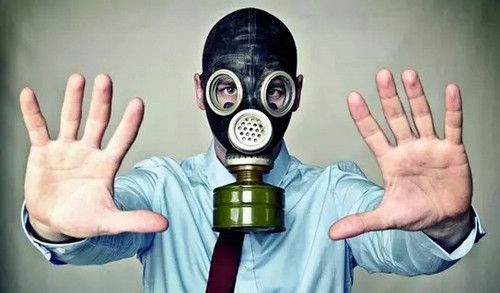
Youdaoplaceholder0 the house is warm, but disease comes
Heating is a living demand of residents in northern or cold regions of China and is a kind of social service. According to the relevant regulations of the national heating standards, the "Indoor Air Quality Standard", the national heating temperature standard is 18°C±2° C. That is, taking 18°C as the benchmark, with a fluctuation of 2°C up or down, that is, within the range of 16°C and 20°C, all meet the heating standards.
However, the volatilization point of formaldehyde is 19° C. For every degree increase in temperature, the concentration rises by 0.4 times. The indoor air quality is qualified in autumn, but after heating, the indoor air temperature rises and remains in a closed state for a long time. The formaldehyde content must exceed the standard when tested, because formaldehyde will volatilize more intensively when the temperature reaches 19°C or higher. Because in autumn and winter, the outbreak of formaldehyde may be even more terrifying than in summer!
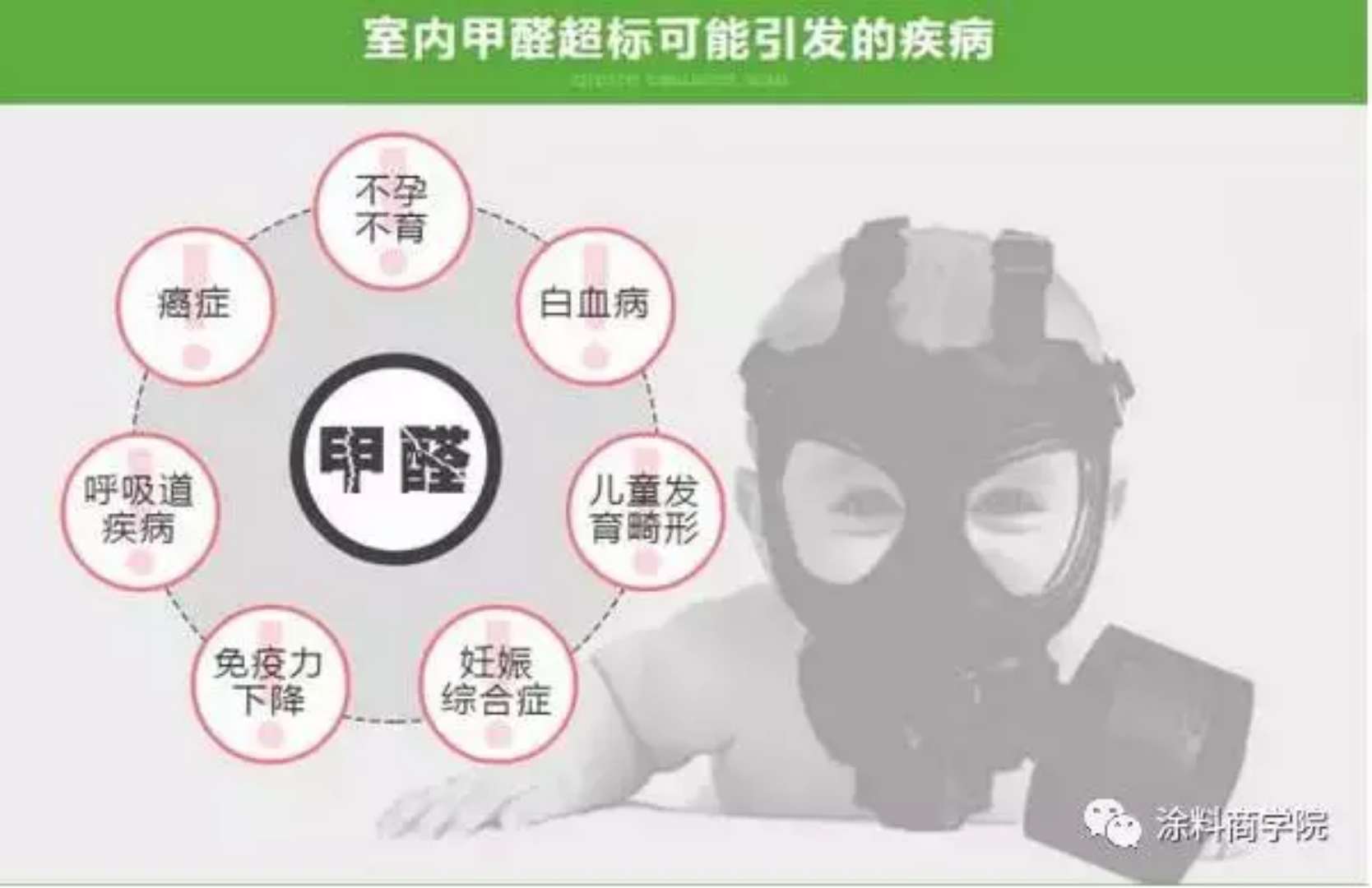
In autumn and winter, the human body's perception and response to formaldehyde pollutants weaken
In autumn and winter, as the weather gets colder, the human body's sensory responses become sluggish and less sensitive than when it is warm, especially the olfactory organ. In winter, the human olfactory organ will develop a self-protection function against the outside air, which leads to a decrease in the breathing rate of the human body. The pungent degree of indoor air pollutants will also be perceived by the human body. Therefore, people tend to ignore indoor pollution, increasing the probability of disease occurrence.
As cities gradually start heating, the indoor temperature will rise, human senses will become more sensitive, and the pungent "formaldehyde smell" in the room will spread more and more, causing a large amount of indoor air pollutants to volatilize.
Youdaoplaceholder0 the house is warm, but disease comes
Heating is a living demand of residents in northern or cold regions of China and is a kind of social service. According to the relevant regulations of the national heating standards, the "Indoor Air Quality Standard", the national heating temperature standard is 18°C±2° C. That is, taking 18°C as the benchmark, with a fluctuation of 2°C up or down, that is, within the range of 16°C and 20°C, all meet the heating standards.
However, the volatilization point of formaldehyde is 19° C. For every degree increase in temperature, the concentration rises by 0.4 times. The indoor air quality is qualified in autumn, but after heating, the indoor air temperature rises and remains in a closed state for a long time. The formaldehyde content must exceed the standard when tested, because formaldehyde will volatilize more intensively when the temperature reaches 19°C or higher. Because in autumn and winter, the outbreak of formaldehyde may be even more terrifying than in summer!
In autumn and winter, the human body's perception and response to formaldehyde pollutants weaken
In autumn and winter, as the weather gets colder, the human body's sensory responses become sluggish and less sensitive than when it is warm, especially the olfactory organ. In winter, the human olfactory organ will develop a self-protection function against the outside air, which leads to a decrease in the breathing rate of the human body. The pungent degree of indoor air pollutants will also be perceived by the human body. Therefore, people tend to ignore indoor pollution, increasing the probability of disease occurrence.
As cities gradually start heating, the indoor temperature will rise, human senses will become more sensitive, and the pungent "formaldehyde smell" in the room will spread more and more, causing a large amount of indoor air pollutants to volatilize.